

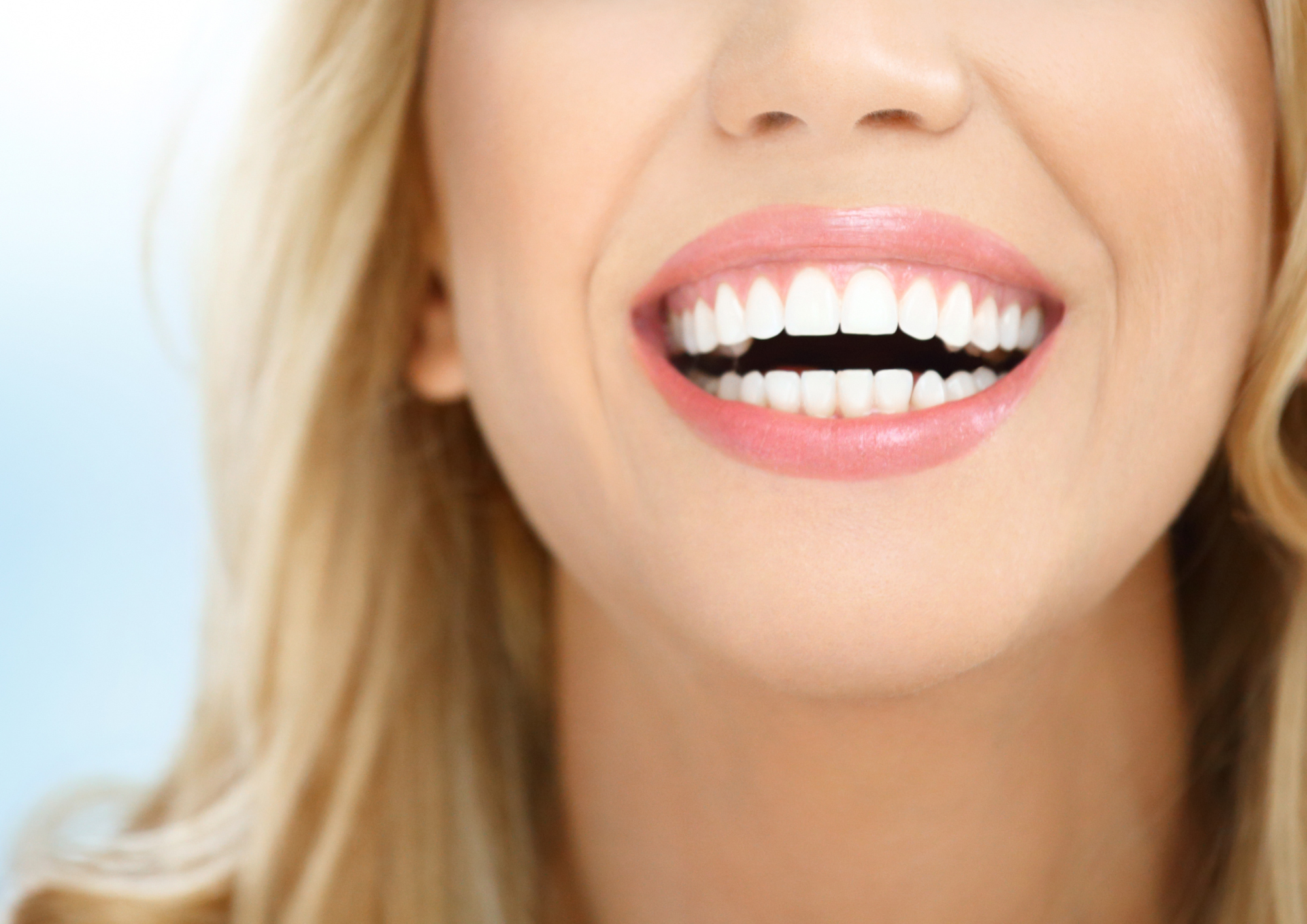
Technology, precision and personalization to transform your smile from the very first visit.
Dental esthetics has evolved significantly in recent years thanks to the advance of digital technology. Today, it is possible to visualize the final result of a smile before even starting treatment, thanks to tools such as intraoral scanners, digital design software and customized esthetic tests. This process, known as

1. Initial assessment: diagnosis is the basis for success.
All esthetic treatment should begin with a complete clinical evaluation. In the first consultation, a detailed analysis of the patient’s mouth is performed: state of the teeth, gums, alignment, bite and general oral health. A review of the patient’s expectations and desires is also made, since the objective is not only to beautify, but to achieve harmony between functionality, esthetics and naturalness.
An essential part of this first contact is the collection of clinical records, including intraoral and extraoral photographs, videos, radiographs and in many cases, a 3D digital scan of the mouth. This information will be the basis for starting the custom design.
This first step is key to establish if the patient is an ideal candidate for a smile design in Gandía, or if he or she needs previous treatments such as orthodontics, periodontics or functional rehabilitation.
2. Intraoral scanning and 3D digital design
With the intraoral scanner, an exact reproduction of the patient’s mouth is obtained in a matter of minutes, without the need for traditional molds. The 3D model allows the shape, size, color and position of each tooth to be analyzed with millimetric precision. In addition, manipulation errors are avoided and diagnostic time is shortened.
Once the digital model is obtained, it is loaded into specialized smile design software. In this virtual environment, the dentist can digitally modify every aspect of the smile: from aligning crooked teeth, to defining ideal proportions, to analyzing the gingival smile, the occlusal plane or the shape of the incisors. Each change is evaluated with the patient to ensure an esthetic and functionally consistent result.
Thanks to this technology, the patient can see a simulation of their new smile before any invasive treatment is performed. This makes smile design in Gandía more participatory, personalized and safe.
3. Aesthetic test (mock-up): visualize the real result.
Once the digital design has been approved, the next step is to perform an esthetic test on the patient’s real mouth. This is done by means of a mock-up, a kind of physical mock-up that is placed directly on the teeth with a provisional material (without grinding or damage), replicating exactly the design proposed in the software.
The mock-up allows the patient to see and feel his future smile in the mouth: how his face changes, how he looks when speaking or smiling, if he feels comfortable, natural, etc. It is also the moment when the professional can make fine adjustments and collect new observations before starting the definitive treatment.
Thanks to this test, smile design in Gandía becomes a highly predictable process with no surprises, aligning the dentist’s vision with the patient’s wishes.

4. Choice of the ideal treatment
With the approved design, the appropriate treatment is chosen to achieve the desired smile. It may include one or several combined techniques:
–Aesthetic composite or porcelain veneers, to modify shape and color.
–Professional dental whitening, to improve the tone.
–Invisible orthodontics, if there are slight malpositions.
–Esthetic gingivectomy, in case of gummy smile.
-Crownsor restorations, if there are damaged pieces.
–Dental contouring, to harmonize edges and proportions.
Each treatment is planned according to the diagnosis, the patient’s oral health and the expected result, always keeping the approved design as a reference. This makes smile design in Gandía a technical, precise process with a high satisfaction rate.
5. Execution and follow-up phase
Once the treatment plan has been defined, the clinical interventions begin. In the case of veneers or restorations, they are worked on in the laboratory from the digital model and tested in the mouth before being placed definitively. If the treatment includes invisible orthodontics, the aligners are designed specifically for each case, always respecting the approved design.
Throughout the entire process, constant communication is maintained with the patient and regular check-ups are performed to ensure that the final result is consistent with what was planned. Follow-up is essential to avoid complications and maintain long-term esthetics.
6. Results: naturalness, harmony and confidence
A digitally designed smile not only transforms the appearance of the teeth, but also improves self-esteem, the way people communicate, and even their quality of life. Unlike improvised or unplanned treatments, a smile design in Gandía guarantees long-lasting, harmonious results adapted to each patient’s face.
The combination of technology, clinical expertise and active patient participation makes this process a transformative experience. In addition, the digital design offers the possibility of retaining records for future comparison or retouching.

Smile design in Gandía is much more than an aesthetic treatment; it is a multidisciplinary process based on rigorous diagnosis, digital simulation and absolute personalization. Thanks to 3D scanners, planning software and minimally invasive techniques, it is now possible to transform a smile with millimetric precision and high safety standards.
If you are considering improving your smile, don’t settle for traditional methods or unpredictable treatments. Opt for a professional, modern, you-centered approach. A technologically designed smile is an investment in health, beauty and confidence.
