


Complete guide on techniques, benefits and care of today’s orthodontic treatments
Orthodontics is no longer exclusive to adolescence or synonymous with metal brackets. Today, it is a field of dentistry that is constantly evolving to offer more effective, discreet solutions adapted to each patient. If you are thinking of starting a treatment of orthodontics in GandíaIt is essential to understand what it consists of, what options exist and how it can improve both the health and aesthetics of your smile.
This article delves into everything you need to know before you start: from initial diagnosis to aftercare, including the most commonly used techniques and technological advances. The aim is to help you make informed decisions and resolve frequent doubts about one of the most transformative dental treatments.

What exactly is orthodontics and when is it recommended?
Orthodontics is a dental specialty that corrects the position of teeth and jaw bones when they are misplaced. It is not only about achieving an aesthetically aligned smile, but also about improving the functionality of the mouth: chewing, phonation and periodontal health.
Orthodontic treatments in Gandia are recommended when there are problems such as crowded teeth, spaces between teeth, crossbite, overbite, open bite or midline deviation. These alterations can cause jaw pain, difficulty in speaking or chewing, enamel wear and increased accumulation of bacterial plaque.
Current orthodontic treatment options in Gandía
One of the great advantages of orthodontics today is the variety of techniques available. This makes it possible to customize treatment according to the clinical, esthetic and economic needs of each patient. Among the most commonly used are:
- Metal brackets: These are the traditional option and are still very effective. Although more visible, they have evolved in comfort and size.
- Aesthetic brackets: Manufactured with materials such as ceramic or sapphire, they are more discreet and maintain the efficiency of the traditional system.
- Lingual orthodontics: They are placed on the inner side of the teeth, being invisible from the outside. They require greater specialization and are ideal for those seeking maximum discretion.
- Invisible aligners (such as Invisalign): These are transparent, removable and almost imperceptible splints. They allow greater hygiene and comfort, although they are not indicated for all cases.
In all orthodontic treatments in Gandia, a preliminary study is performed with radiographs, photographs and digital scans to establish a personalized plan of action. The choice will depend on the complexity of the case, the patient’s age and individual preferences.
How long does orthodontic treatment last?
The duration depends on the type of problem to be corrected, the method chosen and the collaboration of the patient. In general, orthodontic treatment in Gandia can last between 12 and 36 months. During this time, it is necessary to attend periodic check-ups to make adjustments, control the evolution and ensure that the teeth move in a progressive and healthy way.
Once the active treatment is completed, a retention phase is used. This stage is key to maintaining long-term results. It may include fixed or removable retainers, which prevent the teeth from returning to their original position.
Benefits beyond aesthetics
Although many people come to consultation motivated by the desire to improve their smile, the benefits of orthodontics in Gandia go far beyond the visual aspect. At a functional level, it improves the bite, reduces the risk of caries and gum disease by facilitating oral hygiene, and prevents muscular or joint problems resulting from poor alignment.
There is also a notable psychological impact: an aligned and harmonious smile increases self-esteem, improves personal image and facilitates social interaction.
Is orthodontics painful?
One of the most common fears is whether the treatment hurts. The reality is that modern procedures have significantly reduced discomfort. It is normal to feel some pressure or tenderness after the braces are placed or adjusted, but this sensation usually disappears within a few days.
In the case of invisible aligners, many patients report that the treatment is virtually painless. In addition, since they have no metal elements, there is less risk of chafing or mucosal injury.

Care during treatment
For orthodontic treatment in Gandía to be a success, it is essential to follow certain recommendations throughout the process:
- Brush your teeth after every meal, using interdental brushes or oral irrigators if you wear braces.
- Avoid foods that are sticky, hard or may damage the equipment.
- Do not smoke, as it harms oral health and can stain brackets and aligners.
- Attend the indicated check-ups punctually.
- Wear retainers as directed by the orthodontist after treatment is completed.
At what age can orthodontics be started?
Orthodontics has no age. While it is common in adolescents, more and more adults are deciding to correct their smile. In fact, orthodontic treatments in Gandia for adults are booming thanks to the discretion of the new systems.
In children, it is advisable to visit the orthodontist for the first time at around 6-7 years of age, to detect possible problems with bone development or dentition. In some cases, interceptive orthodontics can be performed to guide growth and avoid future complications.
How to choose the right clinic for orthodontic treatment in Gandia?
Choosing an orthodontic treatment center is an important decision. You should look for a team with proven experience, that uses advanced technology, performs a personalized diagnosis and offers you a clear and realistic treatment plan.
It is also essential that the treatment is close and transparent, and that there is a rigorous follow-up during all stages of the process. The success of the treatment depends not only on the chosen technique, but also on the communication and trust between patient and professional.
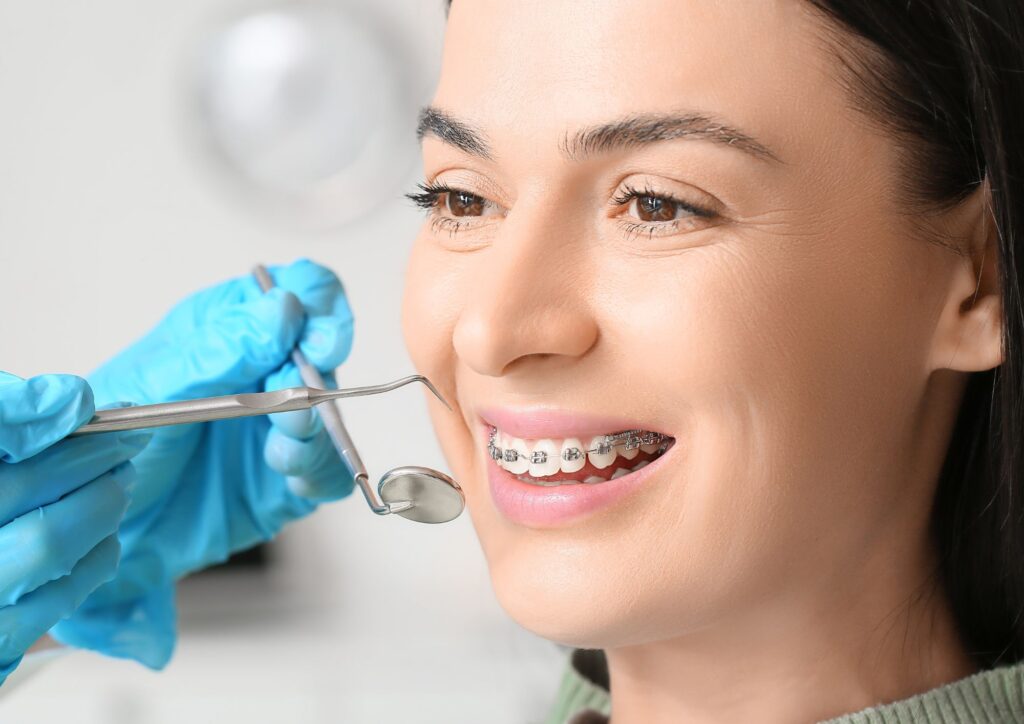
An orthodontic treatment in Gandia is much more than an aesthetic issue. It is an investment in oral health, quality of life and emotional well-being. With today’s options, it is possible to achieve a harmonious smile without sacrificing comfort or lifestyle.
The first step should always be a professional evaluation. From there, the path to a healthy, aligned smile becomes a positive experience, backed by technology, science and a person-centered approach.
